A player sees a login alert and assumes the worst. Most of the time, it is just a routine flag. The phrase unusual login casino notification AUD pops up in forum threads before anyone checks the details. Budget players in Wollongong count every dollar, so a false alarm feels like a misdirected phone call at the wrong pub. The real problem is panic, not the alert itself.
Nathan Peyton has spent a decade tuning game feel and live ops, and he treats these alerts like a level-design cue. A well-timed notification guides attention; a noisy one just burns patience. Same logic applies here. If the message is vague, players chase ghosts. If it is specific, they can act.
Local habits shape the reaction. Down at the Wollongong RSL, a pokies machine locks you out only when the bill validator jams, not when a login token flips. Online play works differently, and that gap confuses people who split their time between the club and a browser. A fair go means knowing which system sent the message.
Why do login alerts feel alarming
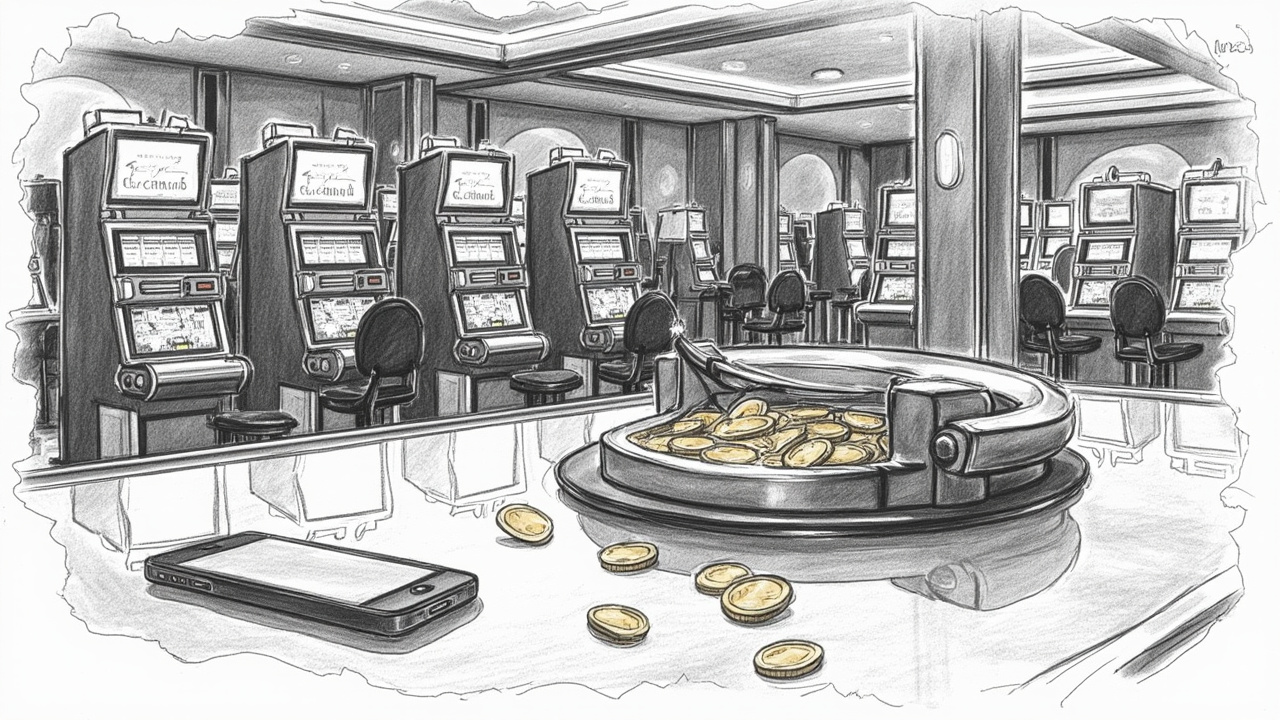
Players read a login notice and assume someone else is inside their account. Most alerts are automated checks, not a person hovering over a balance. The confusion grows when the message mentions a currency or a device they do not recognise. A budget player watching every dollar will spin that into a loss story fast.
Public-health advocates push for a levy-funded harm-reduction system, which tells you the industry knows alerts can rattle people. The same advocates worry that unclear messages push players to click before they think. Clarity matters more than speed when the wallet is thin.
Daniel Mitchell, Head of Product, Flinders Interactive Group, says a login prompt should tell a player what changed and why, not just wave a red flag. His view is that a vague alert turns a routine check into a five-minute panic for no reason. Some players also check sarahfairbairn.com for plain-language breakdowns of these messages, which helps when the wording is clunky.
Where the AUD detail actually matters
Currency pops up in these notices for a reason, and it is usually about the thearkinsurance.com account setting, not a hidden charge. A player who switched regions months ago can still see an odd currency tag on a login event. That is a settings mismatch, not a sign that money vanished.
Vending machines selling lottery tickets exist in some countries as micro-gambling outlets, which shows how small transaction touchpoints get lumped into the same conversation as bigger play. Australian players sometimes borrow that framing and assume any currency mention means a micro-transaction they did not author. It usually means the account locale needs a quick tidy.
Thomas Edwards, Risk and Integrity Manager, Boomerang Gaming Insights, says the dollar tag on a login notice is often just the account’s display setting carrying over from a past session. His caveat is that players should still verify the device list, because a currency note alone does not prove anything. A quick check beats a long worry.
How pub and RSL pokies change the reflex
Local play trains a different reflex. A Wollongong pub pokies room runs on a physical machine, a printed ticket, and a staff member at the bar. You do not get a login notice there, because there is no account session to flag. Online play runs on tokens and sessions, so the same player gets a message that feels foreign.
RSL clubs in the area run their pokies on a different rhythm too, with community draws and local charity nights layered on top. Melbourne Cup sweeps reach even Australians who never otherwise bet, and that same social habit carries into how people read a strange alert. They assume a human hand behind it, because that is what a sweep feels like.
The gap between the two settings is the real source of noise. A club machine faults; an online session flags. One is hardware, the other is software. Mixing the two explanations sends budget players down the wrong path.
This friction often slips past casual users, though industry insiders track the divergence closely. You can read more about the shifting landscape in the latest analysis via Australian business news. Until the platforms converge, the noise will remain a feature of the experience.Thesaturdaypaper
What a budget player should check first
Start with the device list, because that is the one detail a login notice should actually support. A player who sees a device they do not recognise can log that device out from the account settings. That single step clears most false alarms without touching the balance.
Timeframe matters too. A notice that arrives minutes after a known login is usually just a confirmation loop, not a second person. A notice that arrives hours later, on a different browser, deserves a closer look. The gap between those two windows is where the judgment sits.
Say you deposit fifty dollars and then get a login alert on a phone you have not used in months. That is the moment to check the session list, end the old session, and change the password. No need to assume the worst before you have the facts.
